
Our Blog

The Smart Student’s Guide to Eye-Friendly Study Habits
It’s back-to-school season! Time to purchase laptops, tablets, backpacks, notebooks, and pens. It takes a lot of planning and preparation for your student to step into another year of focus, growth, and discovery in the classroom. But wait -- are you forgetting...

Why Anti-Fatigue Lenses May Benefit Your Student This Year
As the new school year approaches, it’s time to prepare your student for a productive academic year filled with achievements, learning, success, and fun. Did you know that up to 80% of learning is achieved through your student’s visual system? One of the...
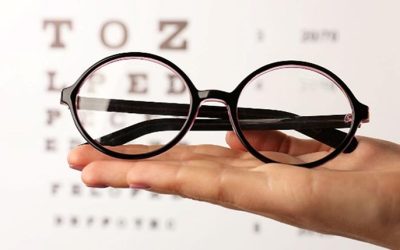
How Prescription Eyewear Is Made
Eyeglasses are an amazing invention, aren’t they? For centuries, prescription lenses have helped to restore people’s vision and protect their eyes from damage caused by the sun’s ultraviolet radiation and glare, in addition to blue light that comes...

5 Eye Conditions You May Inherit from Your Mother
It’s almost Mother’s Day — time to celebrate moms and everything they do. To all of the great moms we see each day in our offices, taking excellent care of their children’s health and wellbeing, in addition to all of the other priorities that...

3 Reasons To Wear Premium Sunglasses This Sun Season
Spring has officially sprung! As we move into the longer days and stronger UV rays, we cannot emphasize enough the importance of wearing premium sunglasses to protect your eyes from the harmful effects of the sun's ultraviolet (UV) rays. We say it often because...